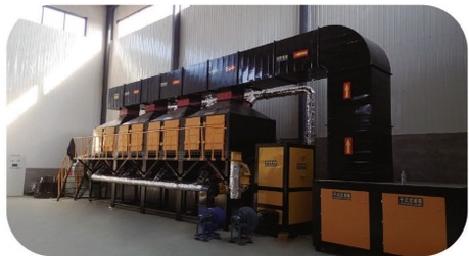
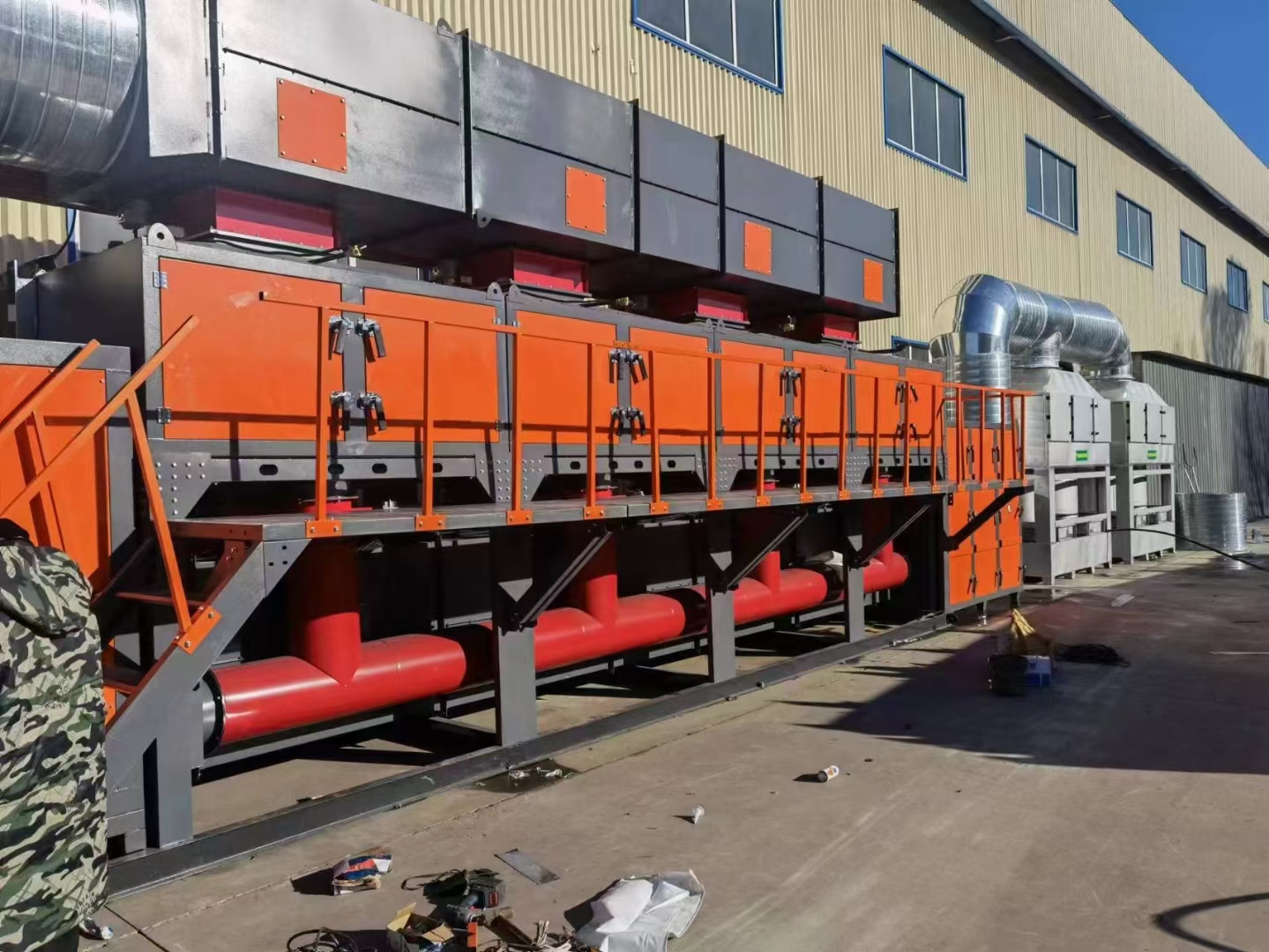
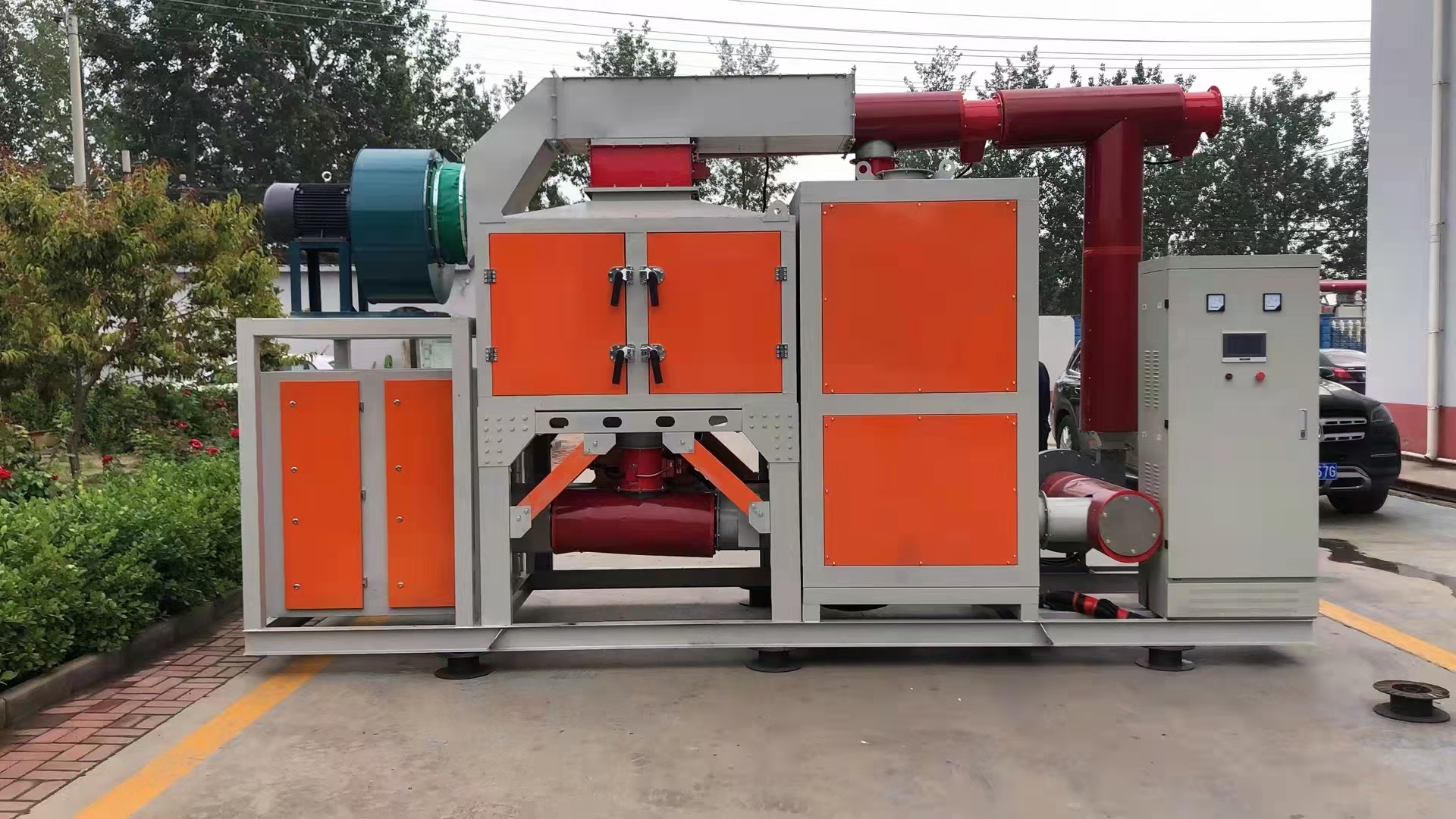
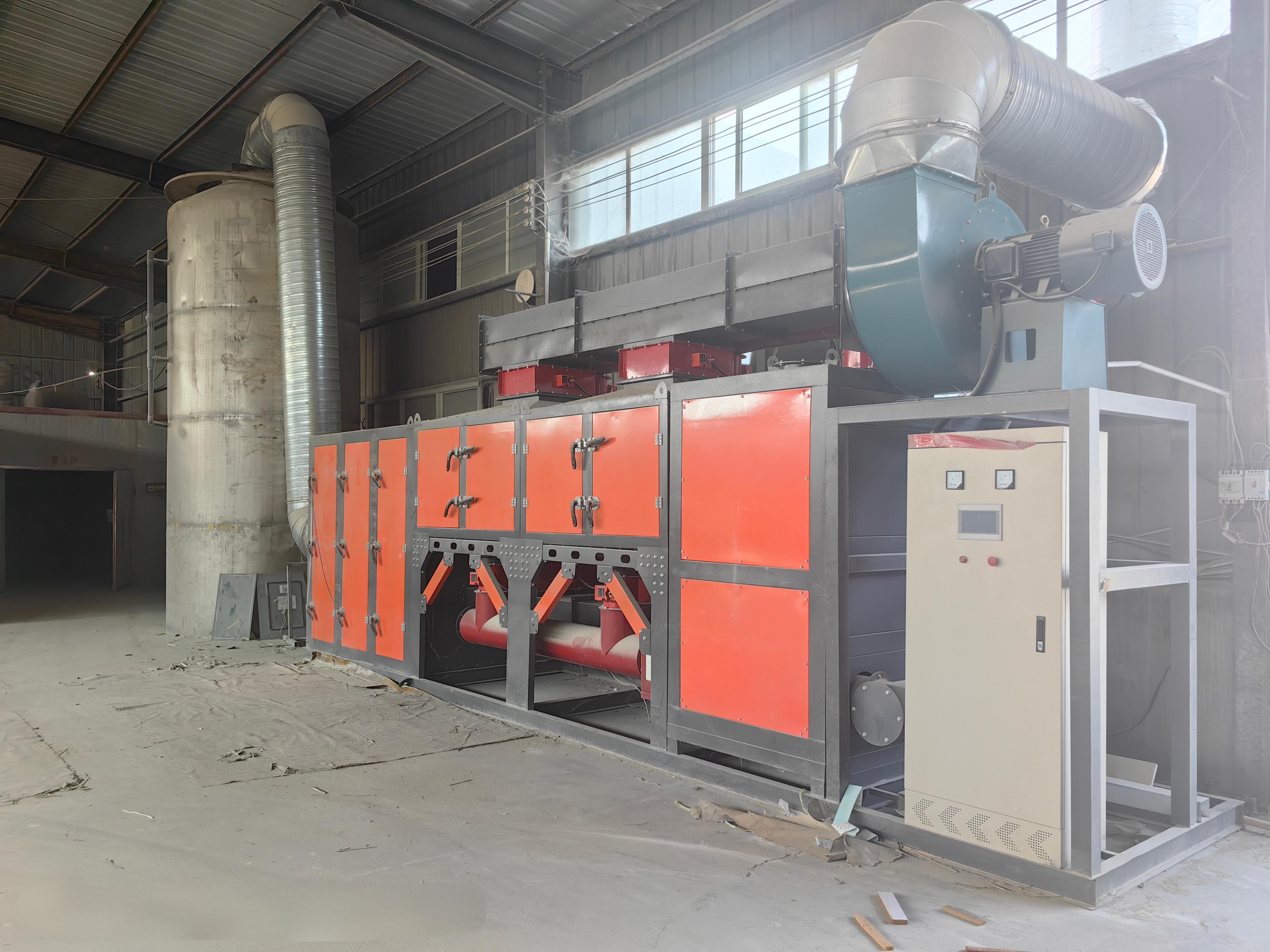
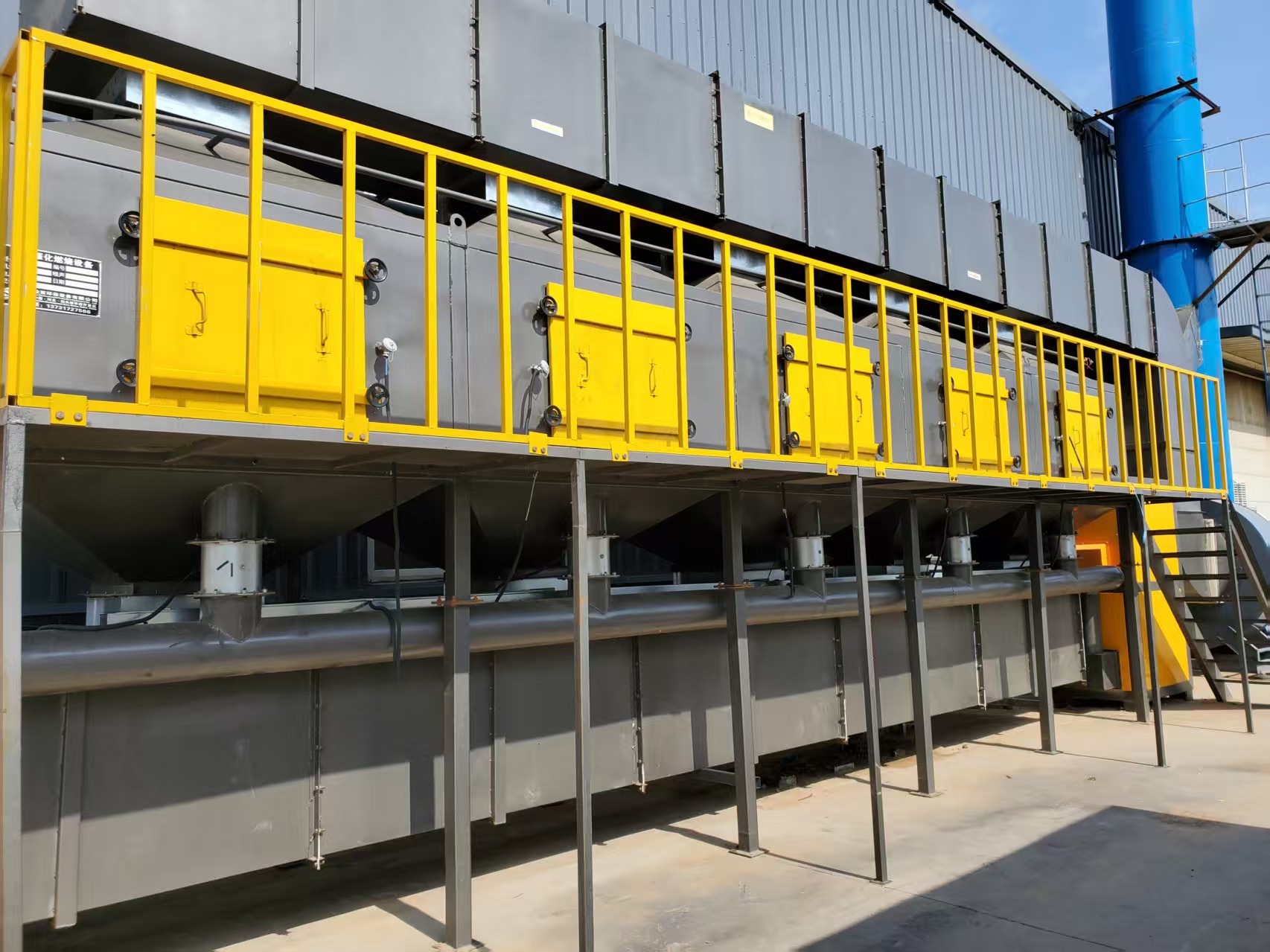
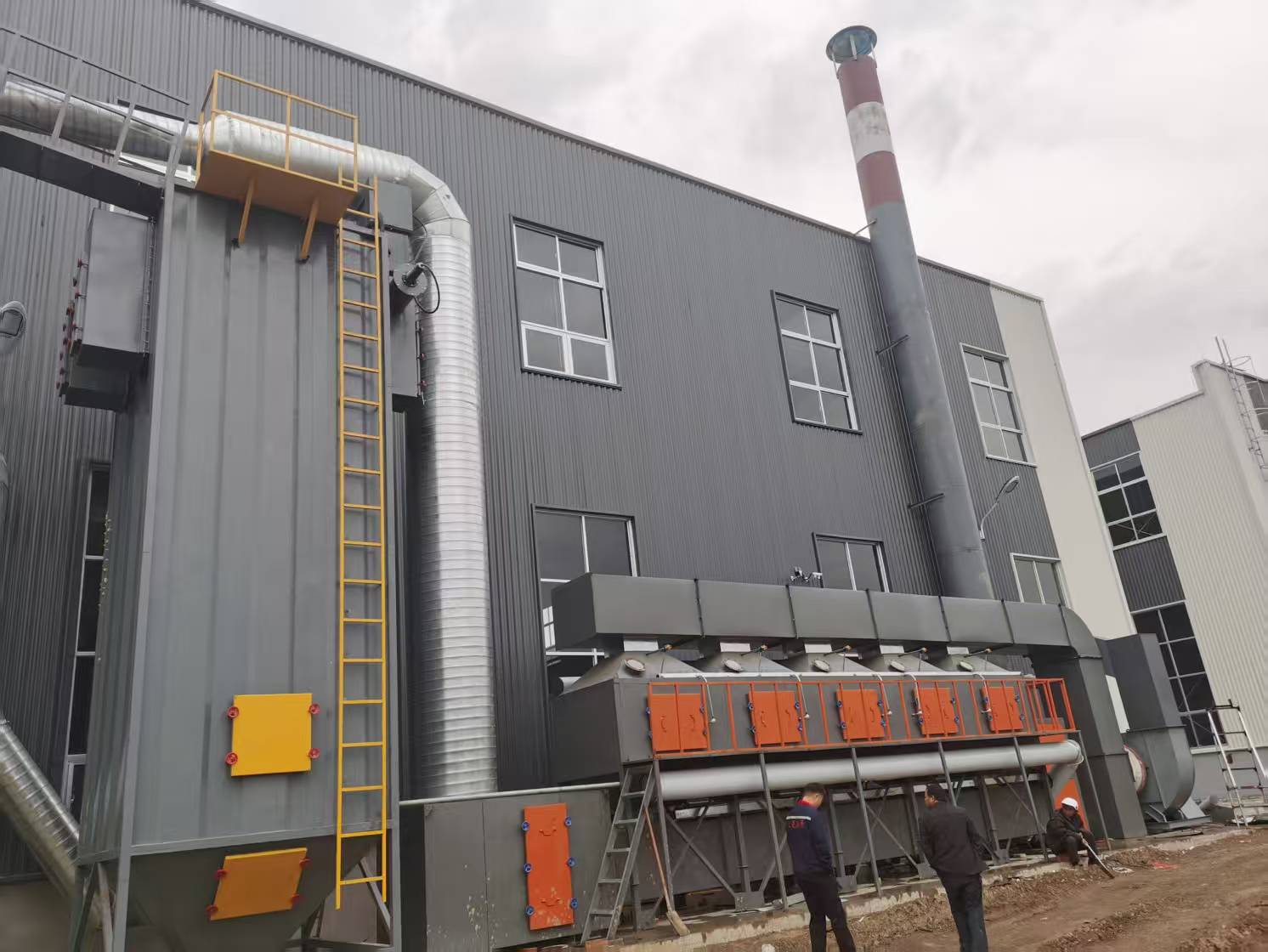
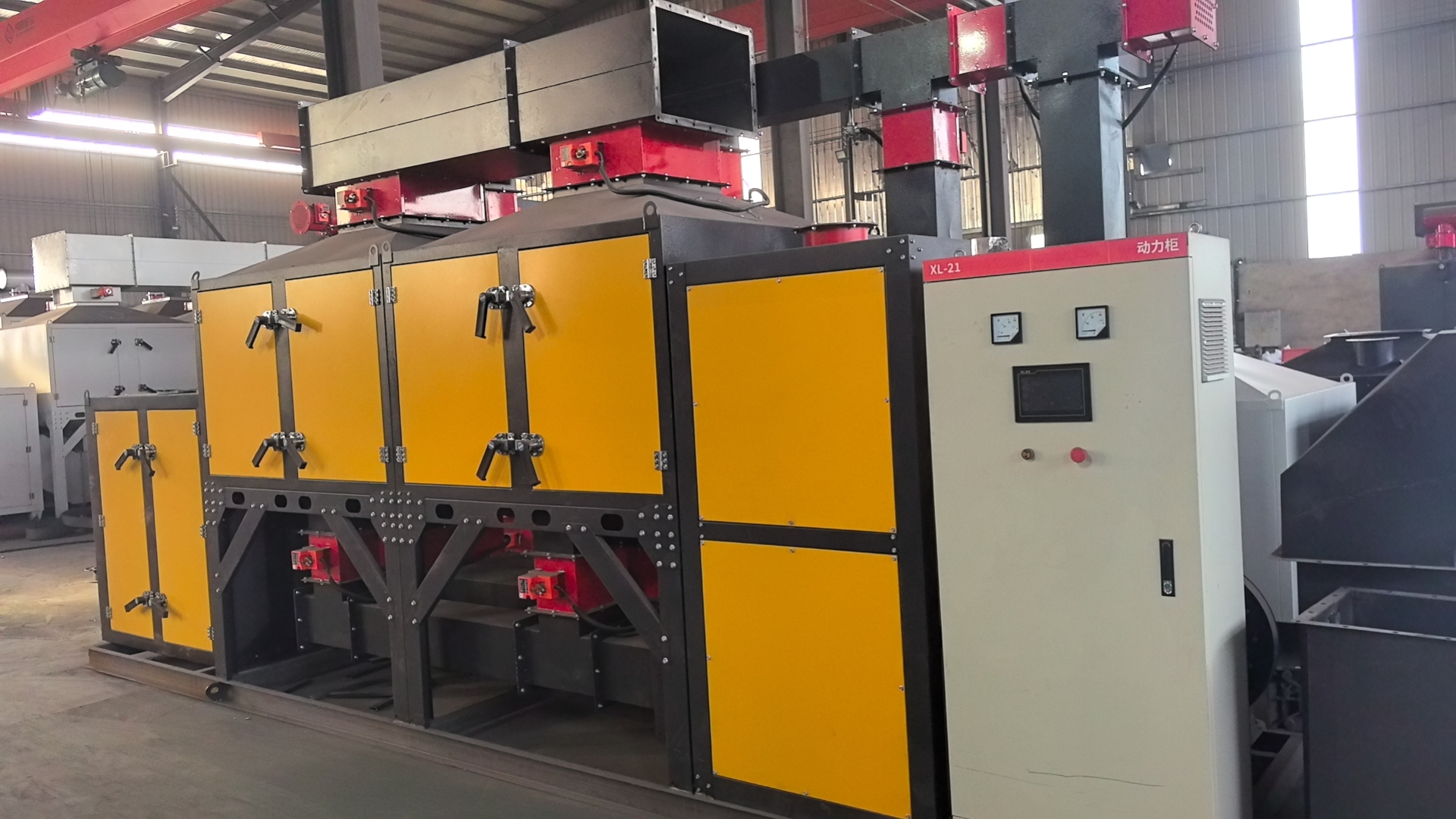
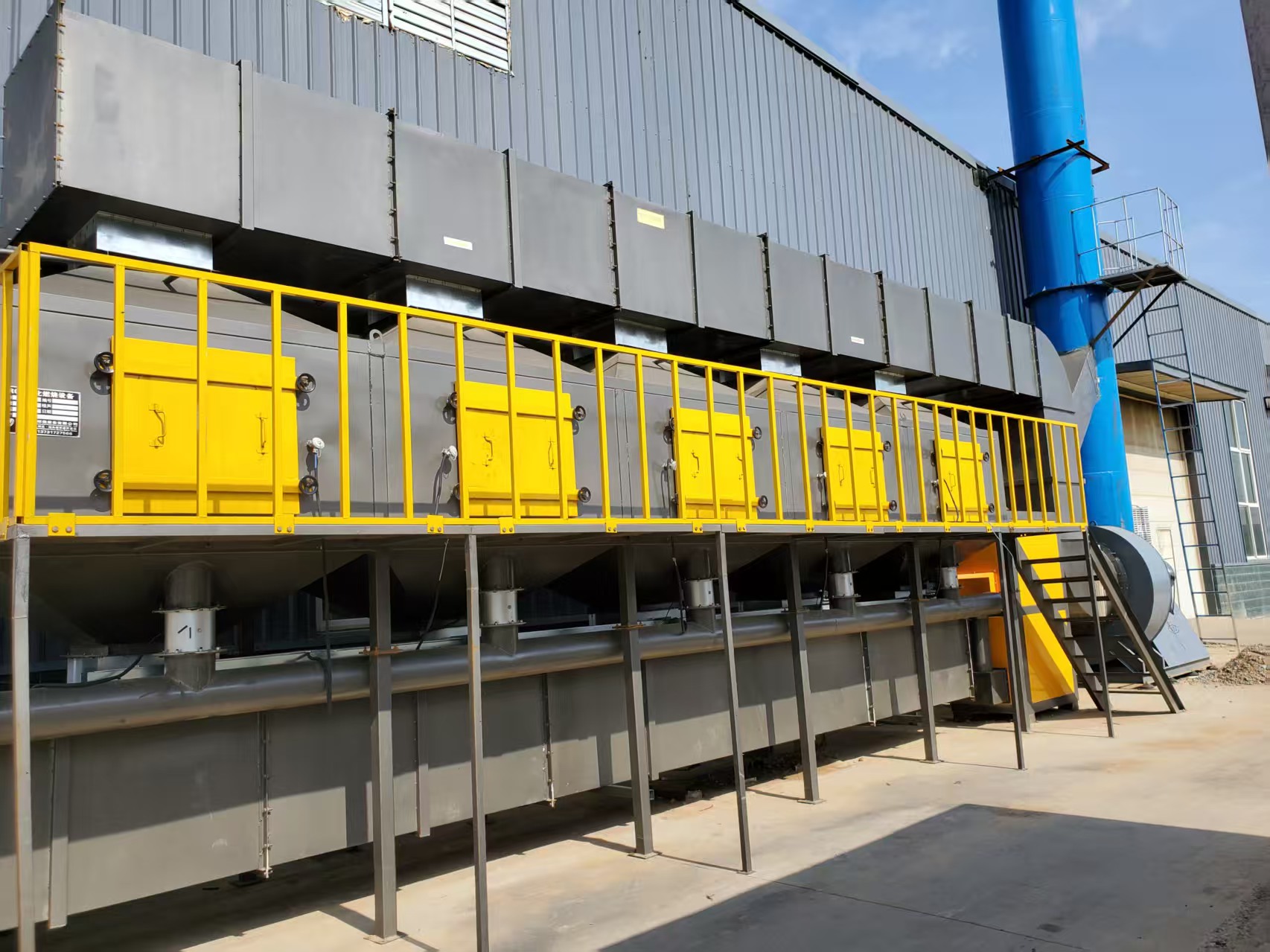
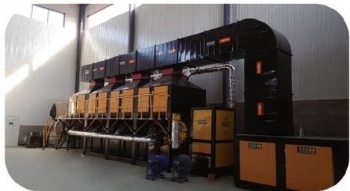
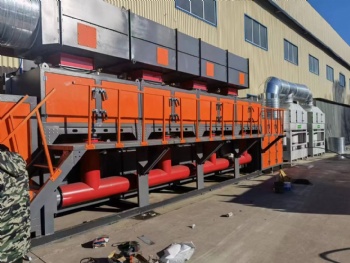
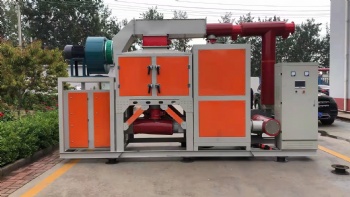
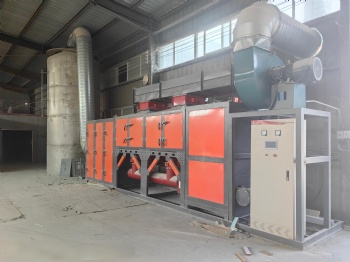
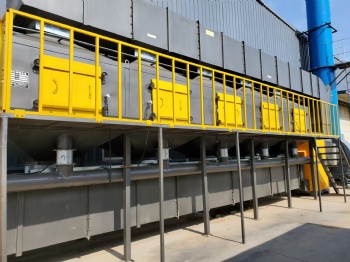
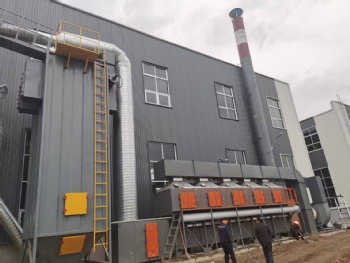
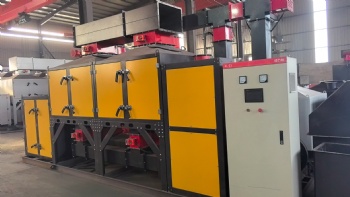
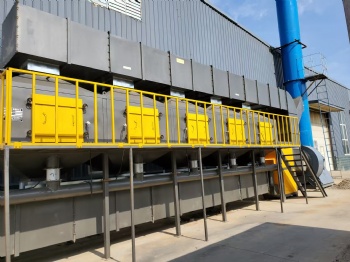
The integrated organic gas adsorption catalysis device is a new type of high-efficiency, energy-saving and secondary pollution-free environmental protection product successfully developed by our company based on nearly 20 years of experience in organic gas treatment. After being used by many users, this treatment technology has reached the leading level of similar domestic products.
This purification device is mainly used for the purification of harmful waste gas volatilized or leaked from painting, spray painting, printing, home appliance, shoemaking, plastic and various chemical workshops, as well as the elimination of odors. It is most suitable for low-concentration (≤300mg/m³) organic waste gas that is not suitable for direct combustion, catalytic combustion or recovery treatment. Especially for large air volume treatment sites, satisfactory economic and social benefits can be obtained.
This purification device is designed based on two basic principles: adsorption (high efficiency) and catalytic combustion (energy saving), namely the adsorption concentration - catalytic combustion method.
Under the action of the fan, the waste gas containing organic substances passes through the activated carbon adsorption layer. The organic substances are adsorbed inside the activated carbon by its unique force, and the clean gas is discharged. After a period of time, when the activated carbon reaches a saturated state, the adsorption stops, and at this time the organic substances have been concentrated in the activated carbon.
The catalytic purification device is equipped with a heating chamber. Start the heating device to enter internal circulation. When the hot air source reaches the boiling point of the organic substances, the organic substances volatilize from the activated carbon and enter the catalytic chamber for catalytic decomposition into water and carbon dioxide, while releasing energy. When the released energy is used to enter the adsorption bed for desorption again, the heating device stops working completely at this time. The organic waste gas maintains spontaneous combustion in the catalytic combustion chamber, and the tail gas is regenerated and circulated until the organic substances are completely separated from the activated carbon and decomposed in the catalytic chamber. The activated carbon is regenerated, and the organic substances are decomposed and treated.
The device adopts advanced design principles, unique materials, stable performance, simple operation, safety and reliability, and no secondary pollution. The device covers a small area and is light in weight. The adsorption bed adopts a stacked structure, which is convenient for loading and replacement.
The activated carbon bed for adsorbing organic waste gas can use the heat generated by catalytic combustion of waste gas for desorption and regeneration. The desorbed gas is then sent to the catalytic combustion chamber for purification, without the need for additional energy. The operation cost is low and the energy-saving effect is significant.
The energy consumption is low during normal use. Since honeycomb activated carbon is adopted, its resistance is extremely low. Therefore, the energy consumption during use is only the power of the exhaust fan, which will not increase the cost for users.
Shandong Kewei Casting Equipment Co., Ltd. is a comprehensive enterprise integrating the research, production and sales of lost foam casting equipment, automatic lost foam production lines and EPS (Expandable Polystyrene).
Tags: Lost Foam Casting Equipment , Automatic Lost Foam Production Line , EPS (Expandable Polystyrene)


LiveChatX


 Send Email
 售前客服
售前客服 WhatsApp