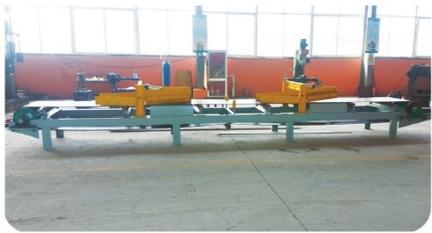
The TD75 Type General Fixed Belt Conveyor is a high-capacity, cost-effective, and versatile conveying equipment. It is available in two configurations based on the frame structure: fixed and mobile. The conveyor belt material can be rubber, plastic, or steel.
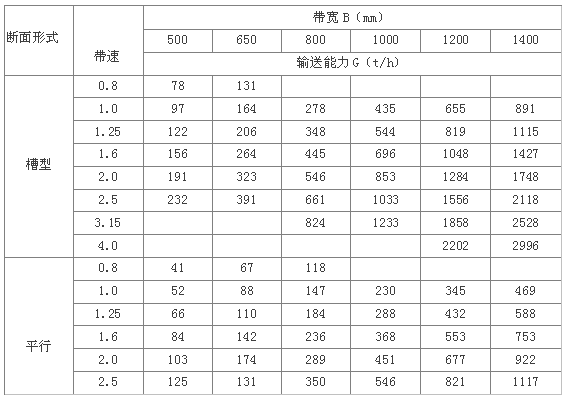
The layout of the conveyor, as well as the specific belt width, number of canvas layers, and belt thickness, should be determined through calculations based on factors such as conveying height, material type, bulk density, conveying capacity, and conveying length.
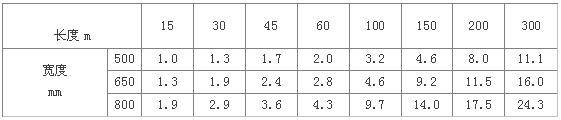
Note: The above power estimations are based on the following working conditions: normal humidity, horizontal belt speed of 1m/s, material bulk density of 1t/m³, dynamic angle of repose of 30°, one return idler cleaner, one spring cleaner, one feed chute, and consideration of acceleration resistance.
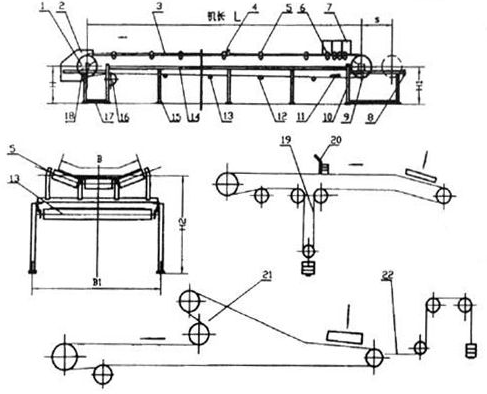
The main components are as follows:
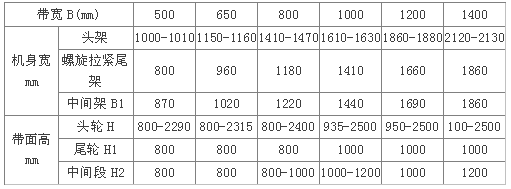
V. Outline Dimension Table
Shandong Kewei Casting Equipment Co., Ltd. is a comprehensive enterprise integrating the research, production and sales of lost foam casting equipment, automatic lost foam production lines and EPS (Expandable Polystyrene).
Tags: Lost Foam Casting Equipment , Automatic Lost Foam Production Line , EPS (Expandable Polystyrene)


LiveChatX


 Send Email
 售前客服
售前客服 WhatsApp